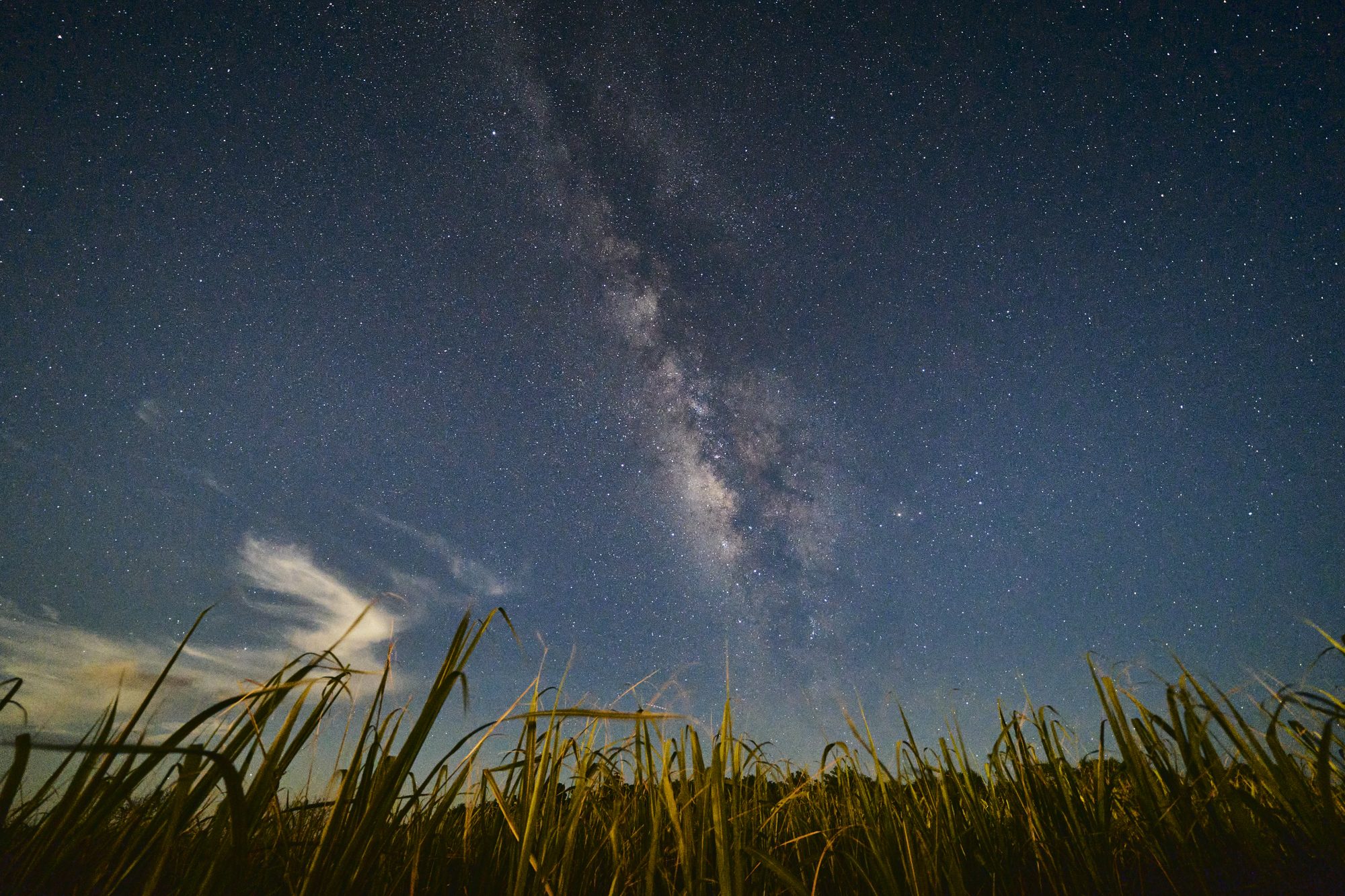
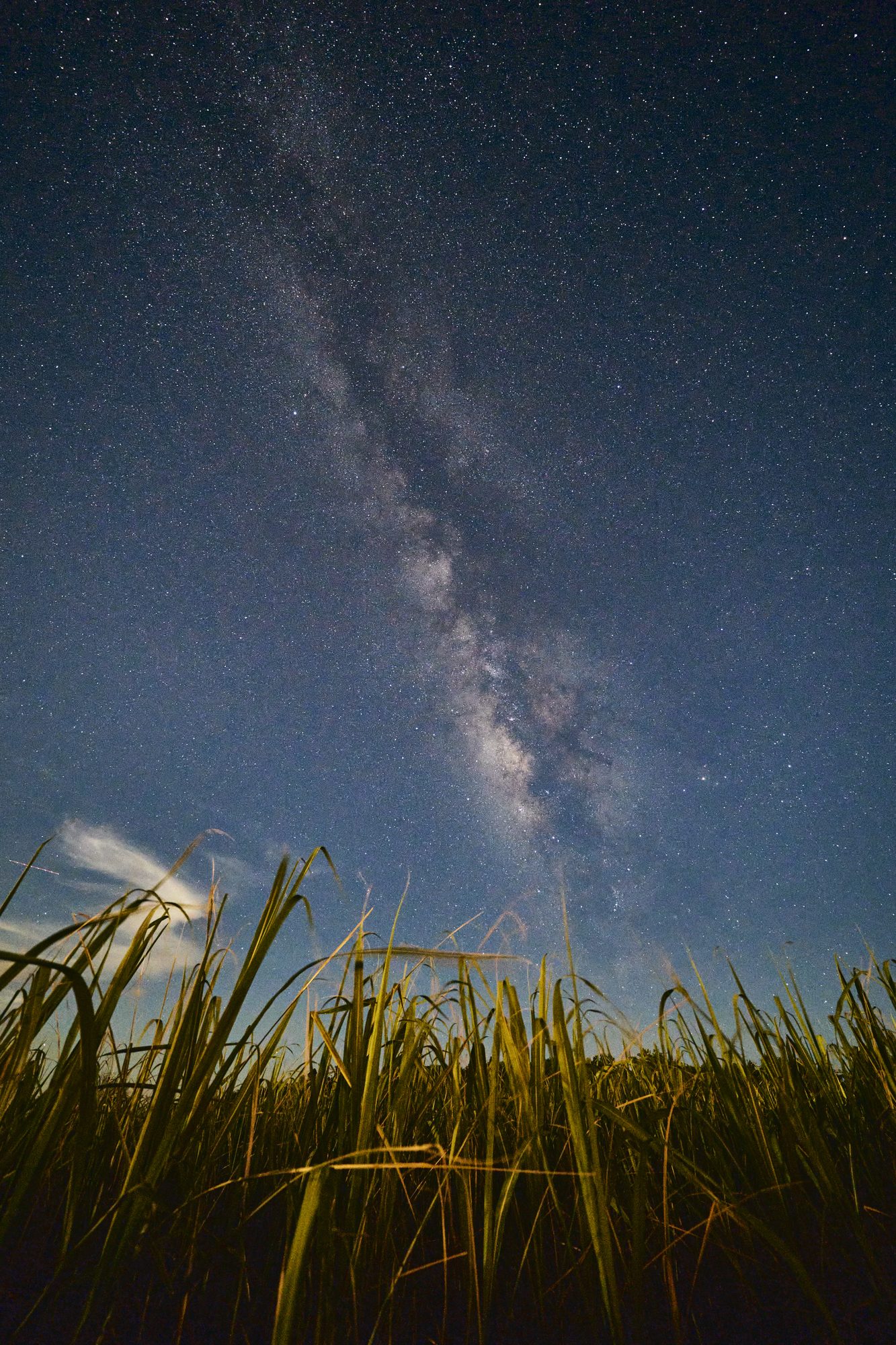
For stars,
choose a night without a moon.
Stars
The moon's phase shapes the night sky.
The slimmer the crescent, the more stars you see.
TONIGHT
Tonight's moon.
Around the new moon, the sky is dark and the stars stand out.
On a full-moon night, walk by moonlight instead.
If you can choose your dates, choose them by the moon: that's the TOPPURI way.
THE SKY
A front-row seat.
Just look up.
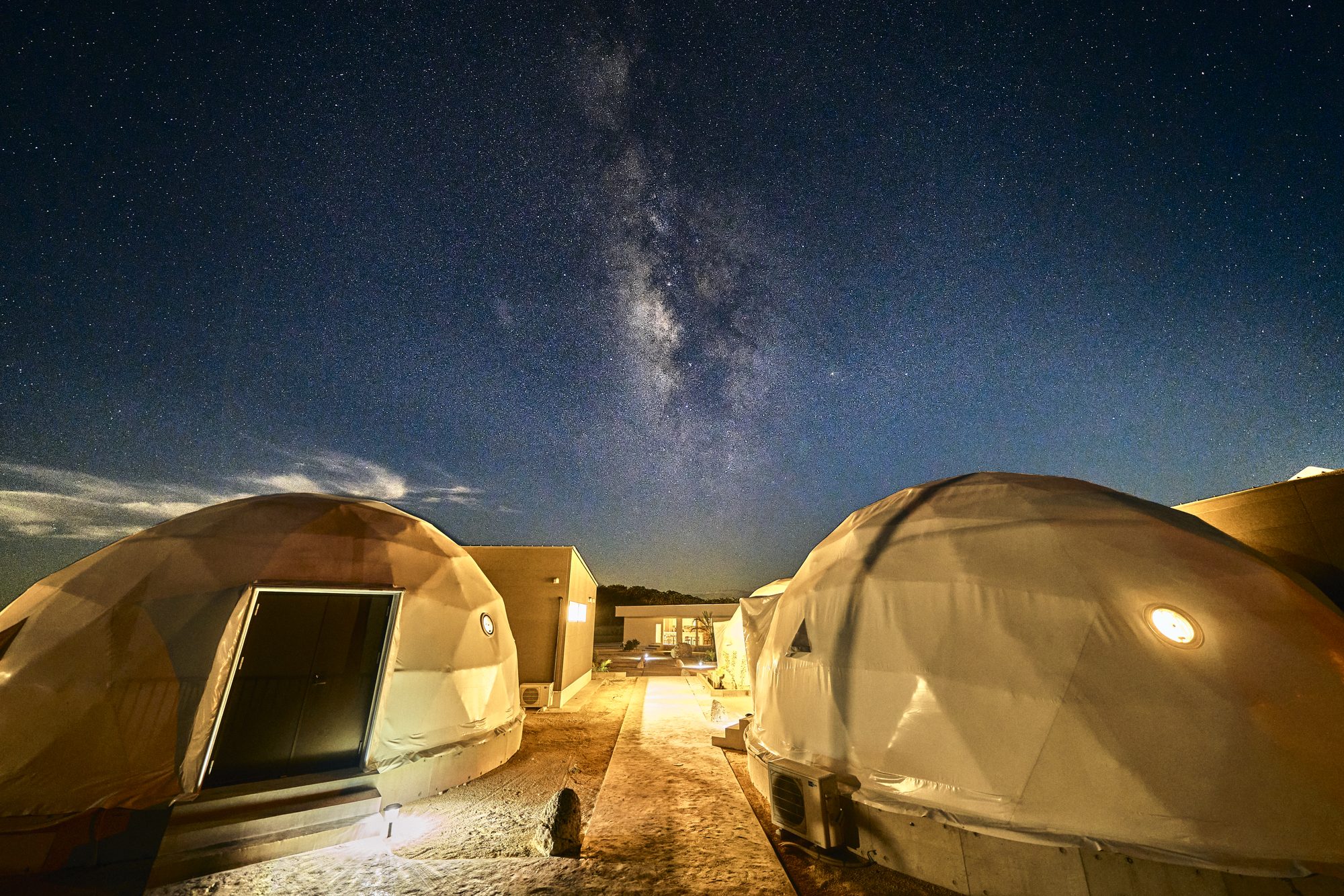
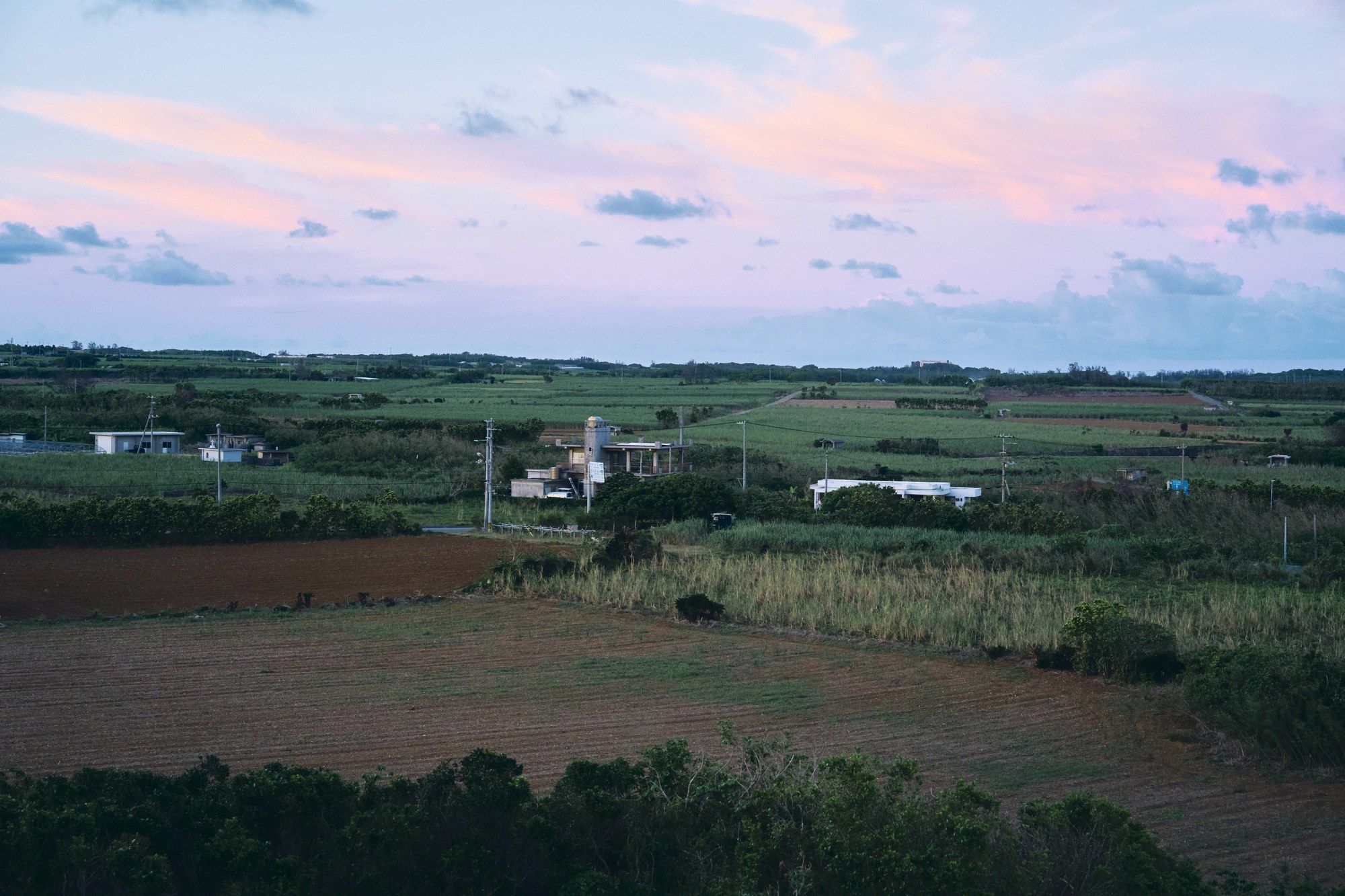
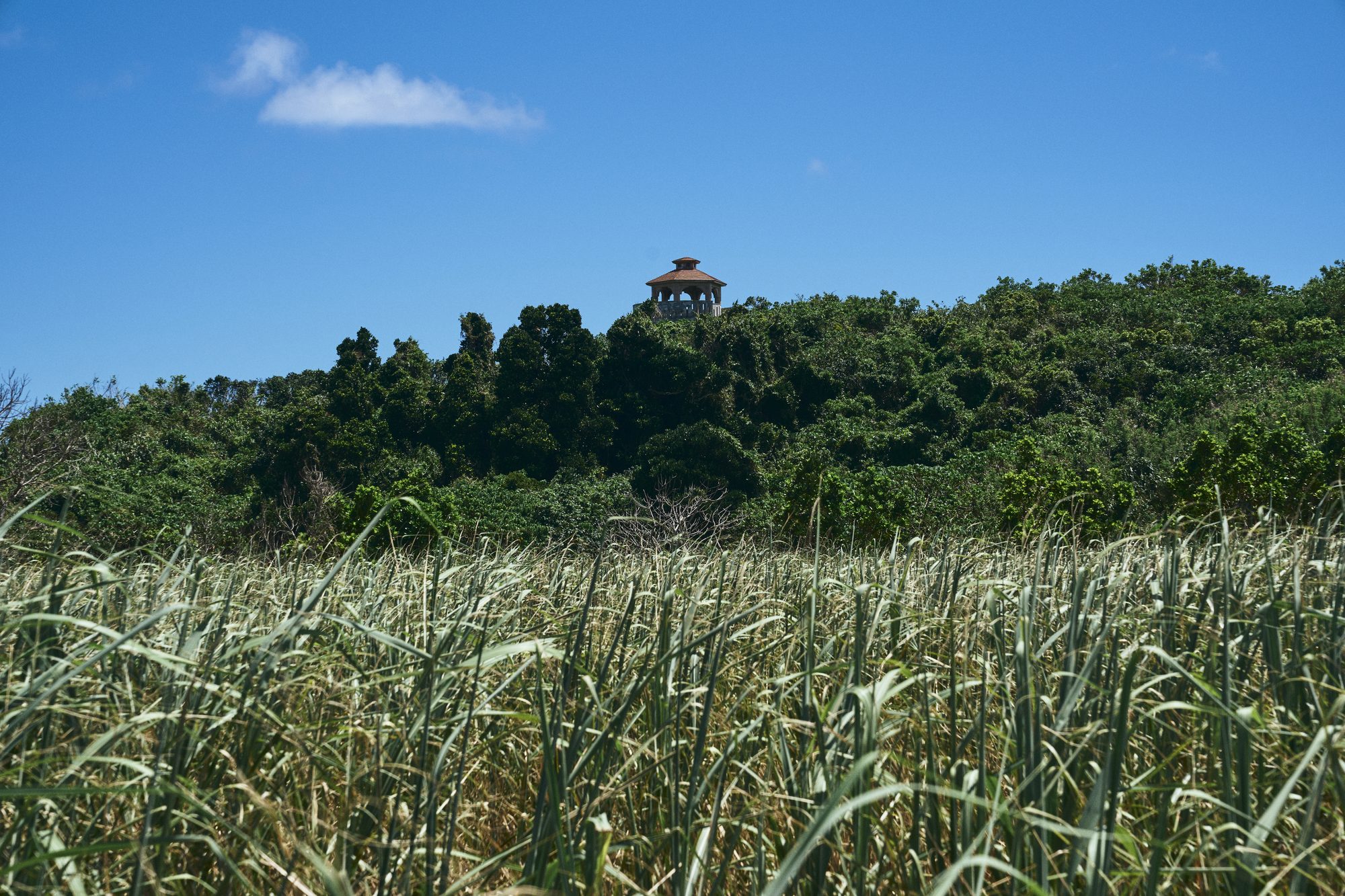
There are no lights around the villas to get in the way.
Southern stars rise higher over Miyakojima, and stars too low to see from Honshu appear here.
The Milky Way in summer, Orion in winter. Season-by-season highlights are below.

THE MANAGER
Ask the manager
about tonight's sky.
Our manager fell for Miyakojima and moved to the island.
A slender crescent, a lull in the wind, a view away from the lights.
Let the manager quietly guide you to the best stars of the night.
SEASONS
The season changes
what you can see.
Southern stars rise higher over Miyakojima than over Honshu.
The same stars, seen from a different angle.
Times and altitudes are approximate. Moonlight, cloud and haze near the horizon all change what you can see.
For the Milky Way, choose an hour with no moon in the sky.
The Southern Cross and Canopus never rise far above the horizon: with an open view to the south, and the right season and weather, you may catch them. Some nights they cannot be seen. Ask the manager where to go.
- Spring, Mar–May
- The spring arc sweeps overhead.
Low in the southern sky, the Southern Cross sits just 2–8° above the horizon on April and May nights. - Summer, Jun–Aug
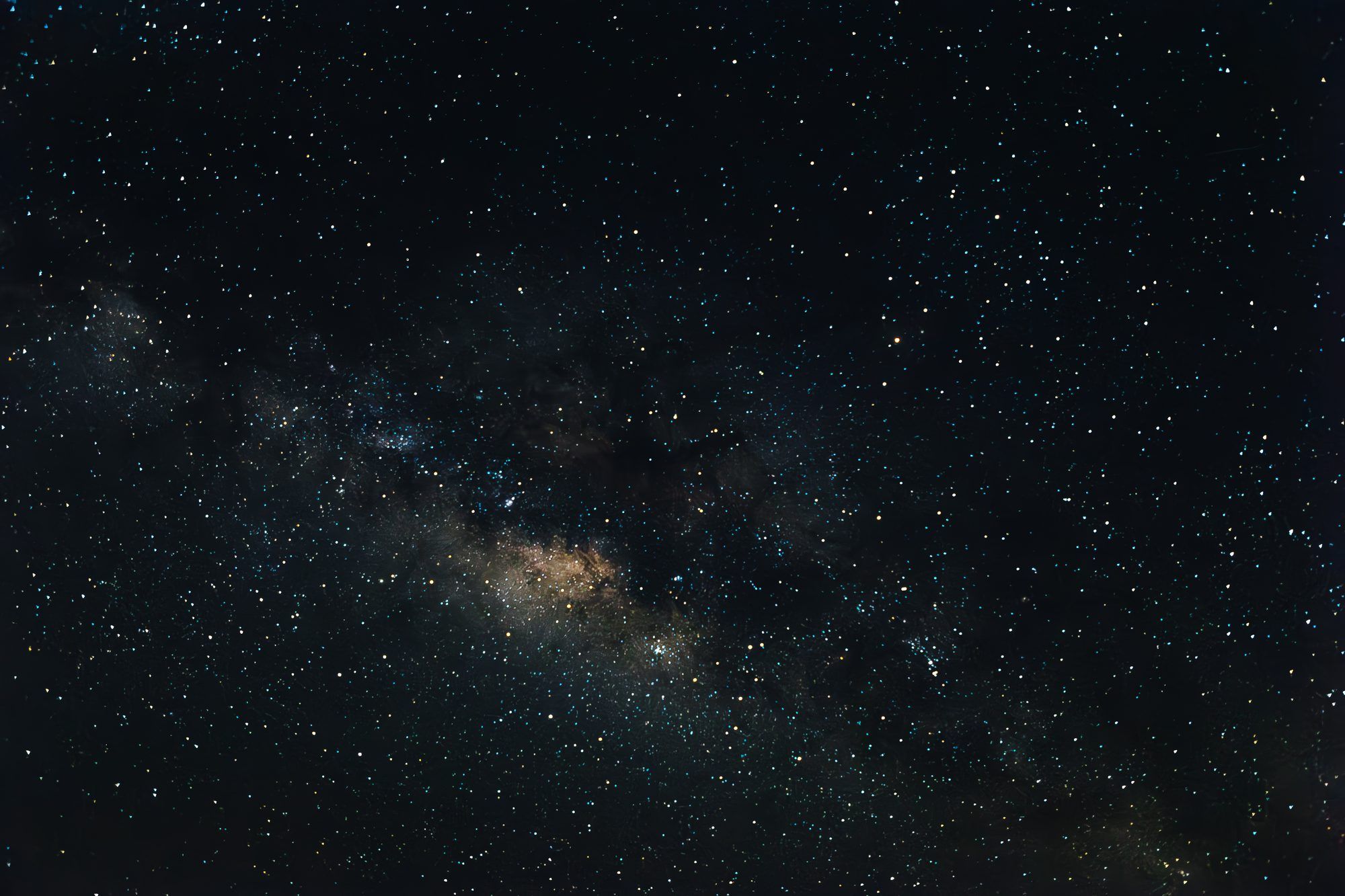
- The Milky Way is most prominent in July and August.
Look towards the southern sky, roughly 36° above the horizon. - Autumn, Sep–Nov
- The Great Square of Pegasus, at the zenith.
One bright star alone in the south: Fomalhaut, around 36° up. - Winter, Dec–Feb
- Orion and the Winter Triangle.
Low in the south, Canopus, around 13° above the horizon.
CANOPUS
Low in the south,
the second-brightest star.
Canopus is the brightest star in the sky after Sirius.
It rises high in the southern hemisphere, but from Japan it only appears low in the southern sky.
In Tokyo it reaches only about 2 degrees above the horizon; on Miyakojima, about 13.
Brightness, distance and the northern limit are from the National Astronomical Observatory of Japan. The altitudes for Miyakojima (24.7°N) are calculated.
- Star
- Alpha Carinae, about 310 light-years away
- Brightness
- Magnitude −0.7. Second only to Sirius
- Northern limit
- On level ground the calculated limit is about 37.9°N — roughly the northern edge of Fukushima Prefecture
- Best season
- Winter. Low in the southern sky, from around December to February
- How to find it
- Find Sirius first, then look further south and lower
- How it looks
- So close to the horizon that it can look reddish
- Other names
- In China it is known as the “Old Man of the South Pole”, and tradition holds that those who see it live long.
CLOUDY NIGHT
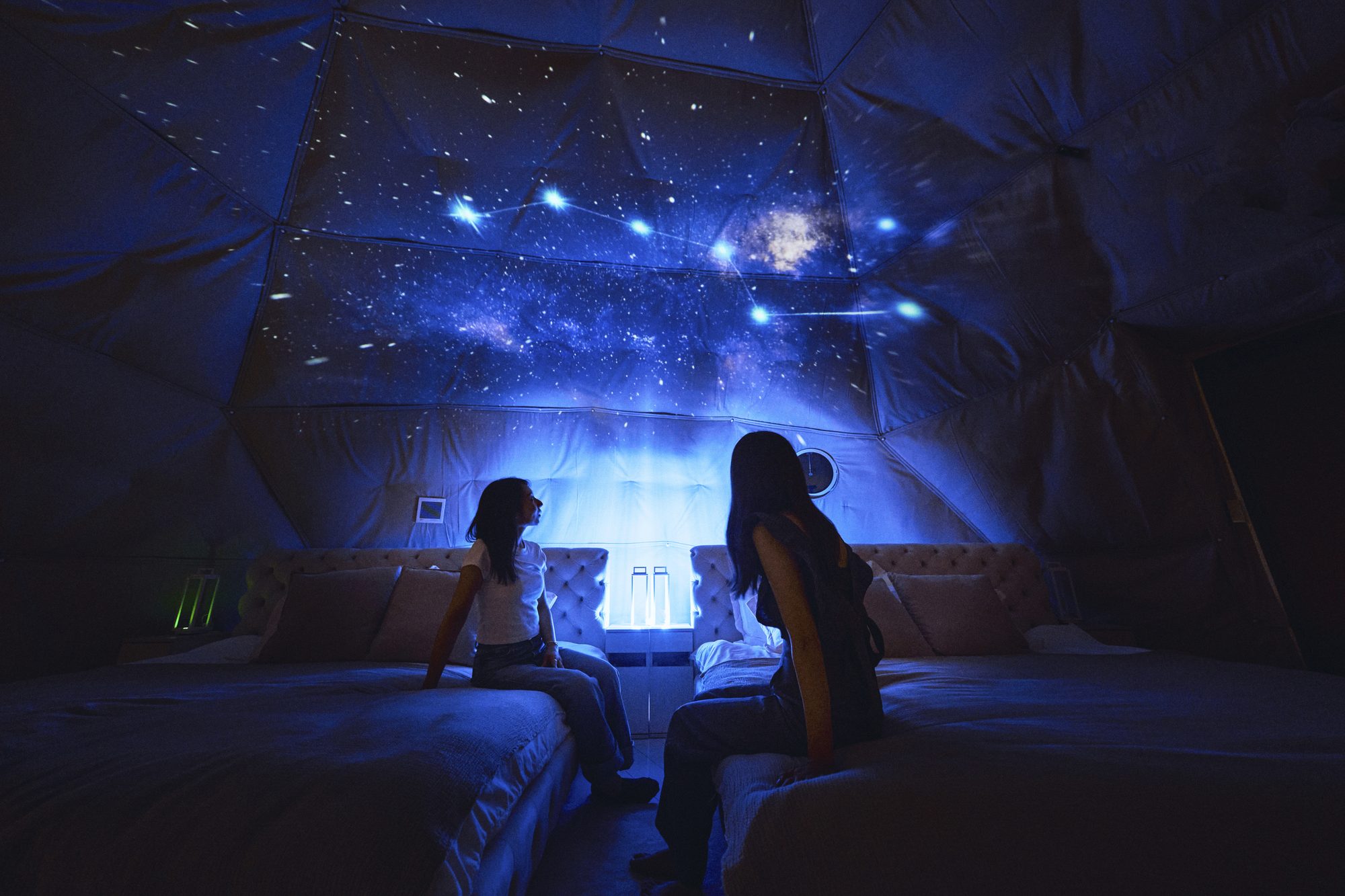
And on nights without stars.
Weather can keep the stars out of sight.
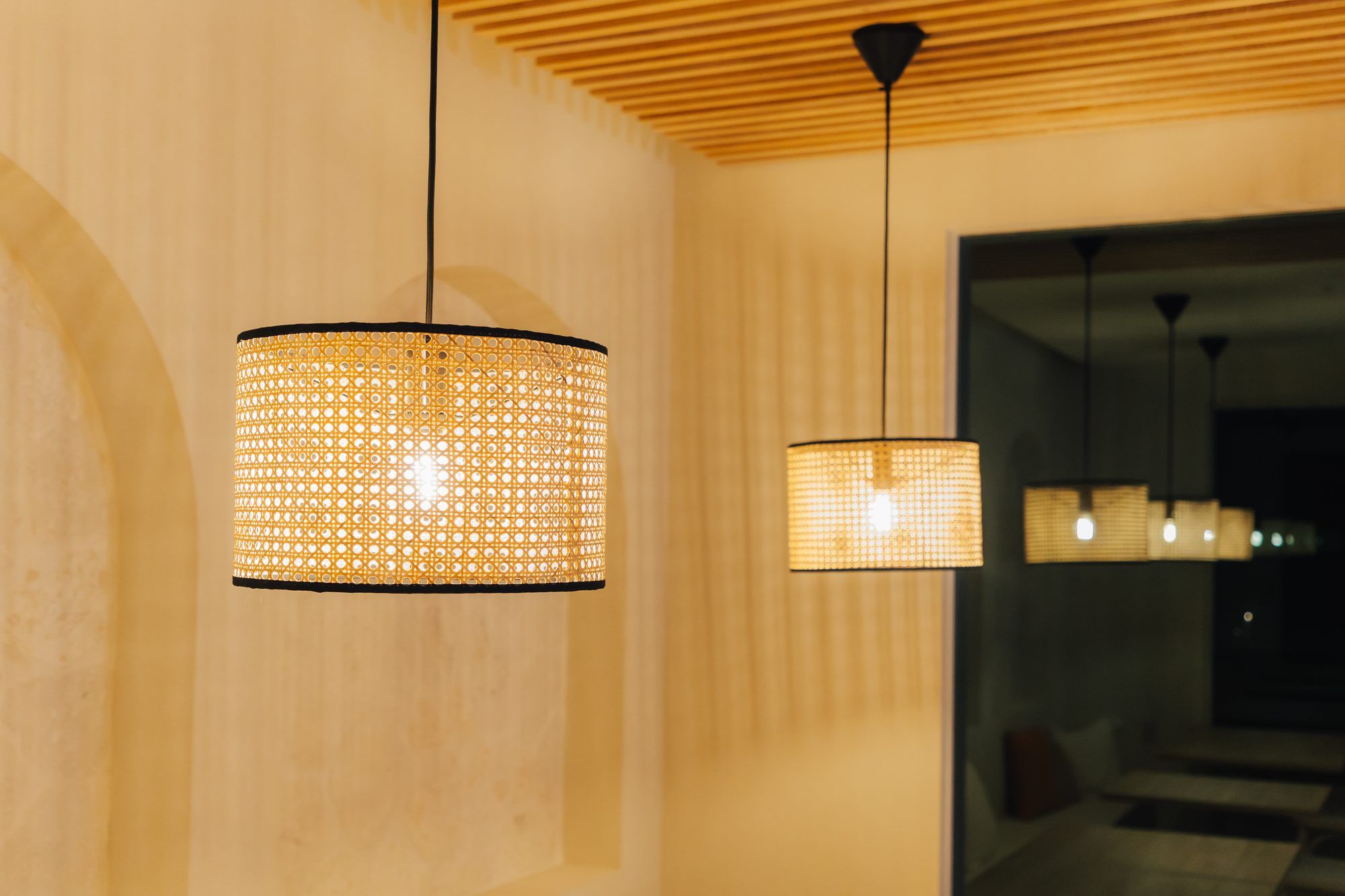
On those nights there is the sound of rain, something amber in the glass, and stories from the island.
The stars will keep until tomorrow.
Opens CHILLNN, an external booking site
Check availability & rates